Is snorkeling the Great Barrier Reef worth it?
YesSnorkelling gets you the reef. Five hours in the water, from $239.
Yes. Snorkelling is how most people see the Great Barrier Reef, and you do not need to dive to get the best of it. The day boats from Cairns run about 60km offshore to the outer reef, around an hour and a half out, and the snorkel day built around time in the water gives you around five hours in the water across two outer reef sites, from $239, with a barbecue lunch included. The quietest way out is a sailing catamaran capped at 20, from $215, to a sheltered lagoon at the very edge of the outer reef. In the Whitsundays, a day sail with snorkelling and a picnic lunch is $199, children $150.
Checked on 28 October 2026.
The reef is 2,300km long and made of more than 2,900 separate reefs, and the outer reef sites the day boats use are chosen for coral cover. With a mask and snorkel you see it from the surface, and you do not need to dive to get everything the reef has to show you.
The snorkel days compared
| Trip | Leaves from | Where it goes | People | From |
|---|---|---|---|---|
| 1 Day Snorkel Adventure | Cairns | — | 10 to 160 | $239 |
| 1 Day Reef Sailing & Snorkel Tour | Cairns | — | Max 20 | $215 |
| 1 Day Luxury Reef Experience | Cairns | — | Max 50 | $310 |
| 1 Day Whitsunday - Providence | Airlie Beach | — | Max 24 | $199 |
The three from Cairns all reach the outer reef. Prices are per person and update on their own.
Why snorkelling is worth it
- Time in the water is what you are paying for.The Snorkel Adventure gives you around five hours across two outer reef sites, the most of any reef day from Cairns.
- You reach the outer reef.About 60km off the coast, the part of the reef people come for, on a fast 35 metre vessel with air-conditioned lounges and full length sun decks.
- Lunch is in the price.A buffet barbecue of steak, fish and salads on the Snorkel Adventure; a tropical buffet and a glass of wine on the sailing catamaran.
- Three sites if you want them.The $310 day visits three outer reef sites, from Flynn, Pellowe, Milln or Thetford, chosen for the day's conditions, with a light breakfast on boarding.
- The calm option.Upolu Reef, on the $215 sailing day, is a sheltered lagoon at the very edge of the outer reef, with bow nets to lie in between sites.
When the water is clearest
June to September is the best snorkelling. Cairns averages 27 to 46mm of rain a month then, against 405 to 438mm in January and February, and less rain means less run-off and clearer water. It is still 26 to 28°C by day. Stinger suits are carried roughly November to May, when marine stingers are on the Queensland coast, so the warm months are snorkelling months too. Month by month is on our Great Barrier Reef weather by month page.
And if you want to try a dive?
- You do not have to choose before you go.The dive vessels out of Cairns carry the gear and run introductory dives, so a snorkelling day can include a first dive.
- On the east coast runsthe reef day out of Cairns is a snorkelling day with an intro scuba dive as the option, at extra cost on some.
- Sleeping on the water in the Whitsundaysthe tall ship Solway Voyager carries all snorkelling and diving gear aboard, with two nights at anchor among the islands from $439.
Still picking between boats? Which Great Barrier Reef tour to pick from Cairns compares them on people aboard, sites and time in the water, and Cairns or the Whitsundays compares the two places to go out from.
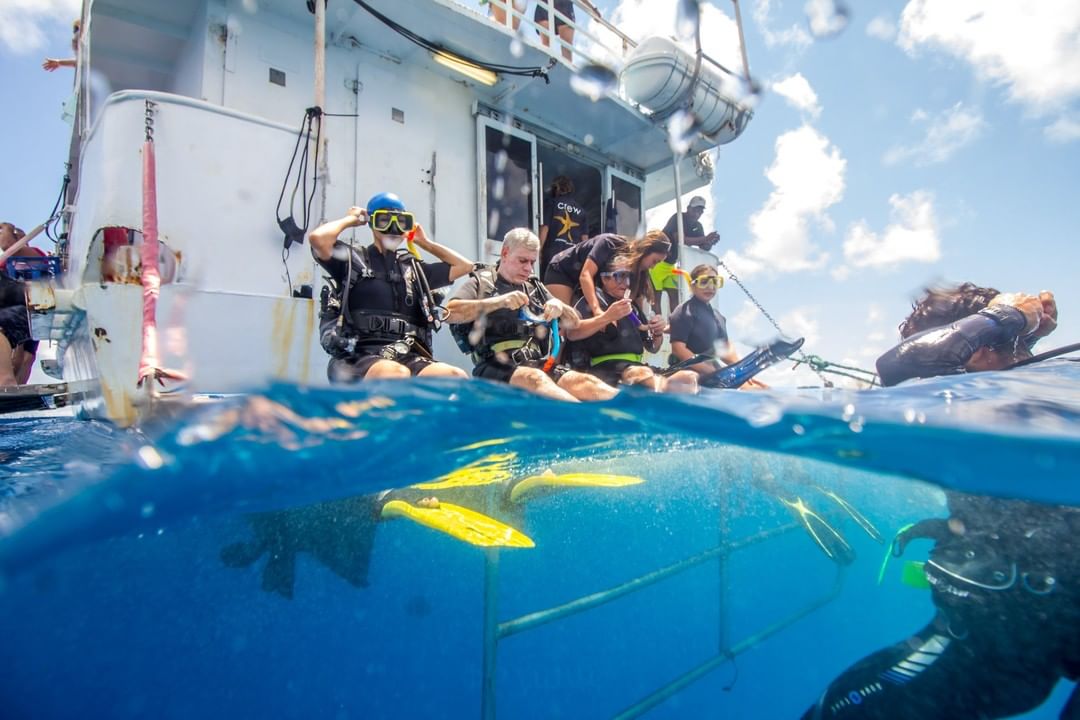 1 Day Snorkel Adventurefrom $2391 dayNon Applicable1 day from Cairns, around five hours in the waterView trip
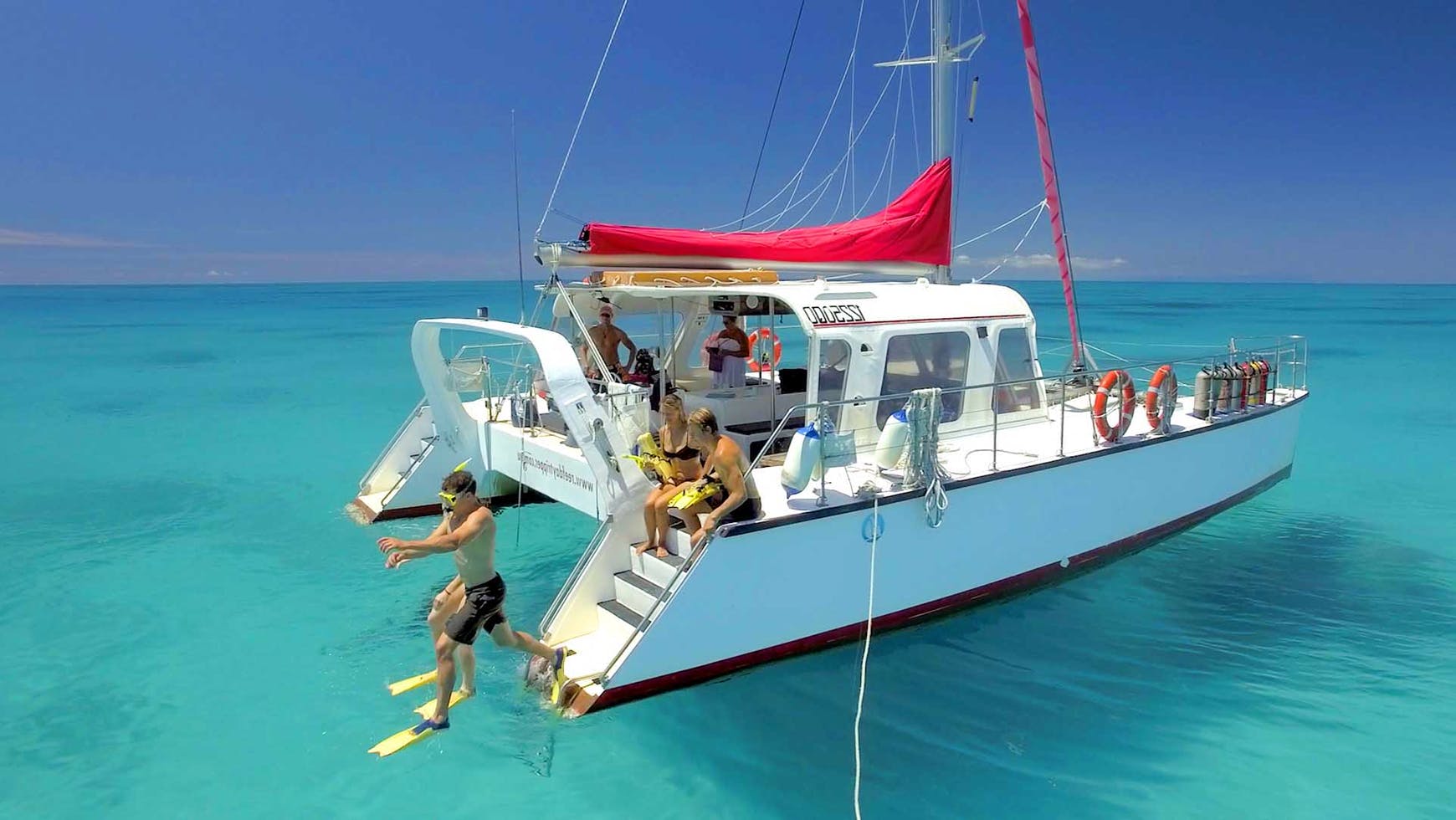 1 Day Reef Sailing & Snorkel Tourfrom $2151 dayNon Applicable1 day from Cairns under sail, max 20View trip
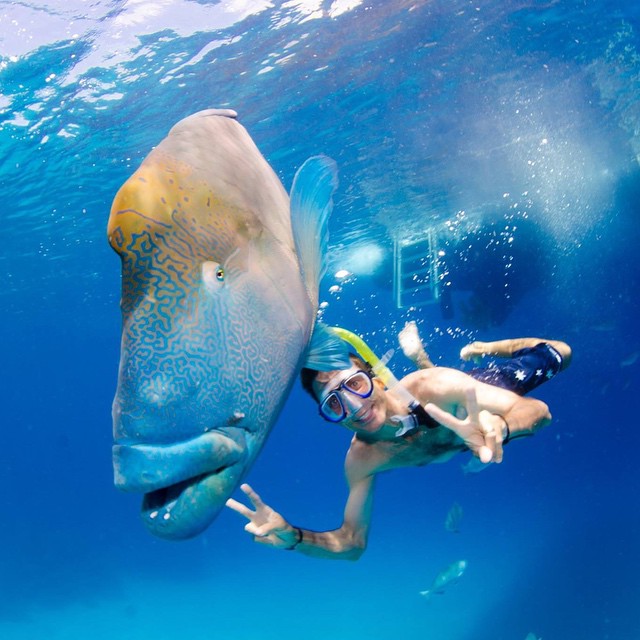 1 Day Luxury Reef Experiencefrom $3101 dayNon Applicable1 day from Cairns, three outer reef sitesView trip
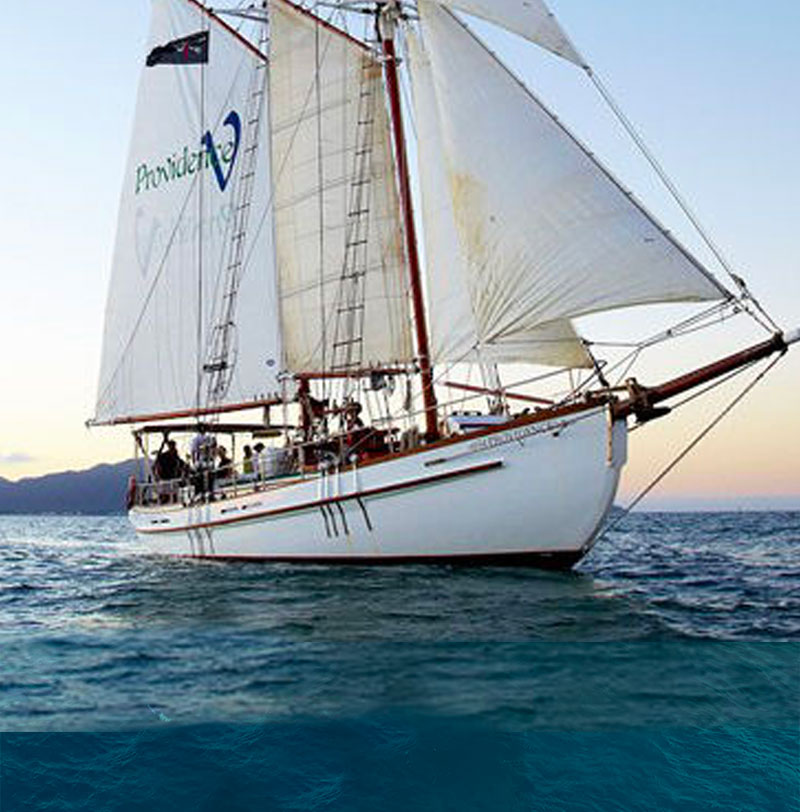 1 Day Whitsunday - Providencefrom $1991 day1 day from Airlie Beach, children $150View trip
People also ask
- Is the Great Barrier Reef still worth visiting?
- Which Great Barrier Reef tour should you pick from Cairns?
- Cairns or the Whitsundays for the Great Barrier Reef?
- Great Barrier Reef tours with kids — which suit young children?
Where this comes from. Which reef sites each boat visits, how far out it goes, time in the water, what is included, group sizes, diving gear and prices are each trip's own details as held on its page here, and prices update on their own. The reef's size is the Great Barrier Reef Marine Park Authority's published figure. Rainfall and temperatures are Bureau of Meteorology long-term monthly averages for Cairns Aero, station 031011, from 83 years of records. The stinger season follows Queensland Health's published advice for the tropical coast.