Will El Niño affect an east coast Australia trip?
Hardly at allEven odds on rain, and fewer cyclones than a normal summer.
Less than anywhere else in the country. The Bureau's October-to-December outlook gives roughly even odds on rainfall for most of eastern Australia, which is the forecaster's way of saying there's no signal to plan around. Two things stand out. Nights are very likely to be warmer than average, which suits sleeping on deck in the Whitsundays. And El Niño years usually bring fewer tropical cyclones, with sea temperatures north-east of Australia now more than 1 °C below average. For a reef and sailing trip, that's the forecast you'd pick.
Checked on 6 October 2026.
The east coast is the run most people do, Sydney or Brisbane up to Cairns, and it's the part of Australia this El Niño touches least. Here's what the Bureau is forecasting and what it changes.
What the forecast says
- Rainfall: roughly even oddsacross much of eastern Australia for October to December. No lean either way.
- Daytime temperatures above averagewith an over-80% chance of unusually warm maximums across most of New South Wales.
- Nights very likely warmer than averageover an 80% chance of unusually warm minimums, more than four times the normal likelihood.
- Sea temperatures north and north-east of Australia are more than 1 °C below average.Warm water is cyclone fuel, so less of it means a quieter season.
- The Bureau's own caveat:a strong El Niño signal in the Pacific doesn't guarantee strong effects on Australian rainfall or temperature.
The cyclone season, plainly
The Australian cyclone season runs 1 November to 30 April. An average one brings about ten cyclones to the Australian region, three or four of them crossing the coast somewhere, and since 2000 the figure has been nearer eight or nine. El Niño years sit at the low end of that. Cairns, the Whitsundays and K'gari all sit inside the season's reach, and what it means in practice is that the odd sailing or reef day gets moved or refunded. A quieter season means fewer of those days.
What it means stop by stop
| Where | What the outlook does | Worth knowing |
|---|---|---|
| Cairns and the reef | Little change. Even odds on rain, warmer water inshore | Visibility is better in the drier months, roughly May to October |
| The Whitsundays | Better. Warm nights on deck, fewer cyclone days | The sailing trips sleep on board. Warm nights are the whole point |
| K'gari (Fraser Island) | Little change | The lake swimming is warmer. Tide and track conditions matter more than the season |
| Byron Bay | Warmer days, no rainfall lean | Hinterland walks are better dry. February is the wettest month in a normal year |
| Brisbane and the Gold Coast | Hot afternoons | Summer storms are a late-afternoon thing and clear quickly |
| Sydney | Over-80% chance of unusually warm maximums | Beach weather. Earlier starts for the coastal walks |
Warm nights are better than they sound
On a Whitsundays sailing trip you sleep on board, and plenty of people take their bunk up on deck. The unusually warm nights in this forecast are the single strongest signal in it, and they land exactly where you'd want them. Same for the beach camping nights on the longer east coast runs.
So when should you go
May to October remains the pick for the tropical end: drier, less humid, better reef visibility, and outside the cyclone season and the stinger season both. November to April is hotter and wetter up north but it's when the lakes and the water are warmest, and it's quieter and cheaper. This El Niño doesn't change that trade-off much. There's a month-by-month read on our best time to visit Cairns page, and a straight comparison on Cairns or the Whitsundays for the reef.
 7 Day Brisbane to Cairns Highlightsfrom $14497 days, 6 nightsHostel7 days, Brisbane up to CairnsView trip
 7 Day Cairns to Brisbane Highlightsfrom $14497 days, 6 nightsHostel7 days, Cairns down to BrisbaneView trip
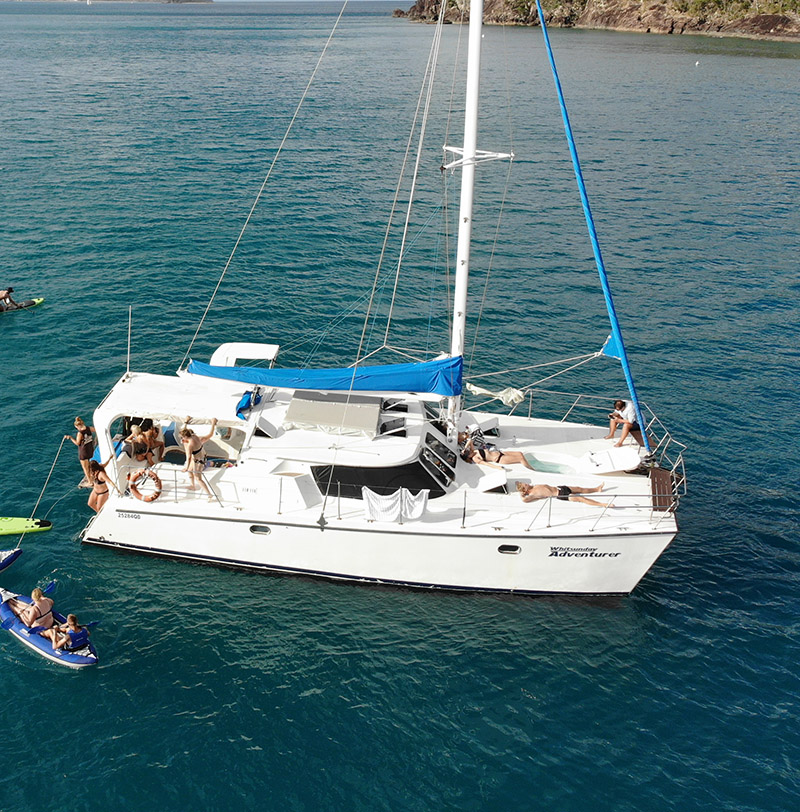 3 Day Whitsunday Sailing - Adventurerfrom $6753 days, 2 nightsCabin Style3 days sailing the Whitsundays, sleeping on boardView trip
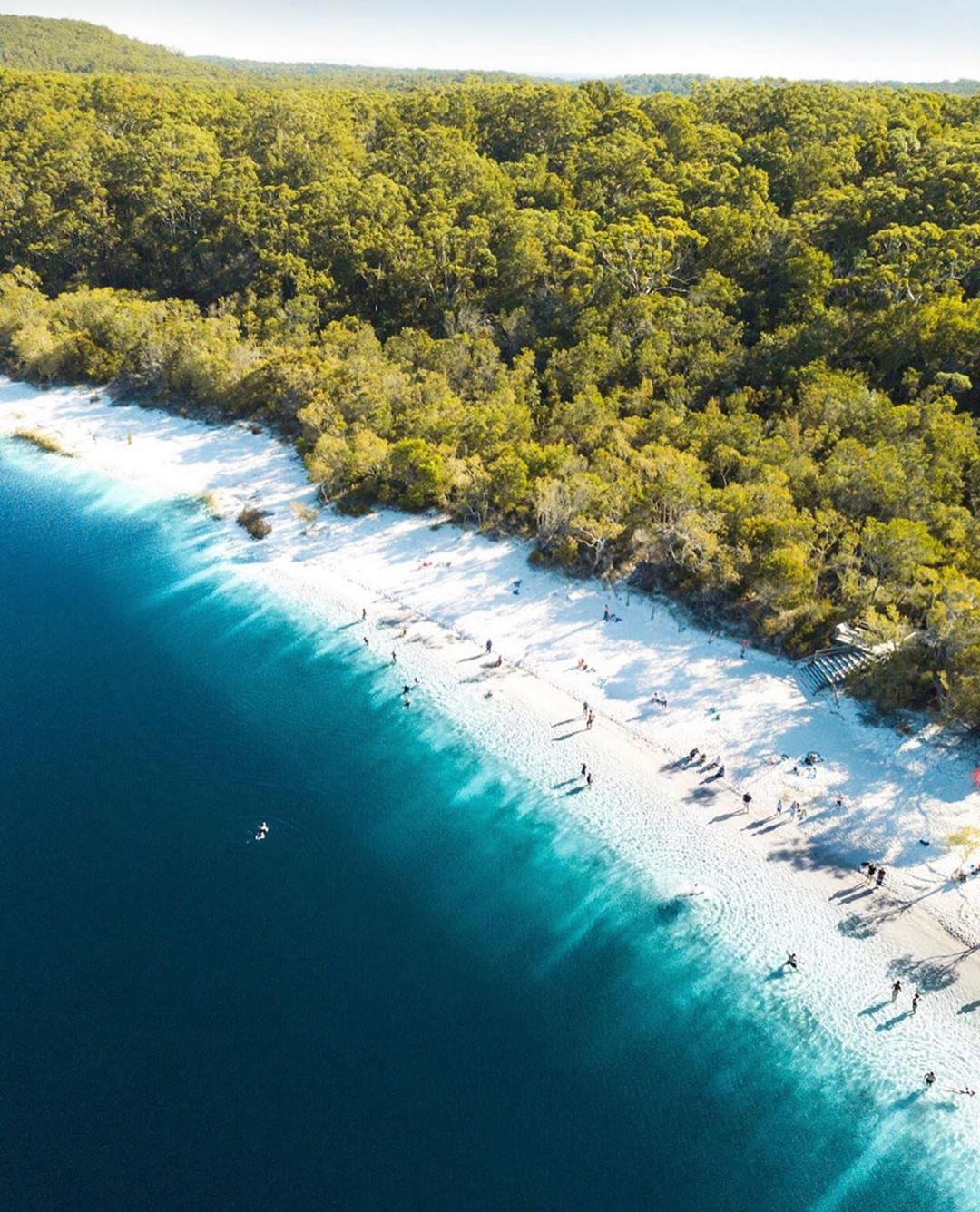 2 Day Fraser Islandfrom $6392 days, 1 nightMotel Style Accommodation2 days on K'gariView trip
Where this comes from. The rainfall and temperature outlook is the Bureau of Meteorology's long-range forecast issued 1 October 2026, and the sea surface temperature and ENSO figures are from their Southern Hemisphere Monitoring update of 29 September 2026. Cyclone season dates and long-run averages are the Bureau's published figures. Trip details and prices are each trip's own.