
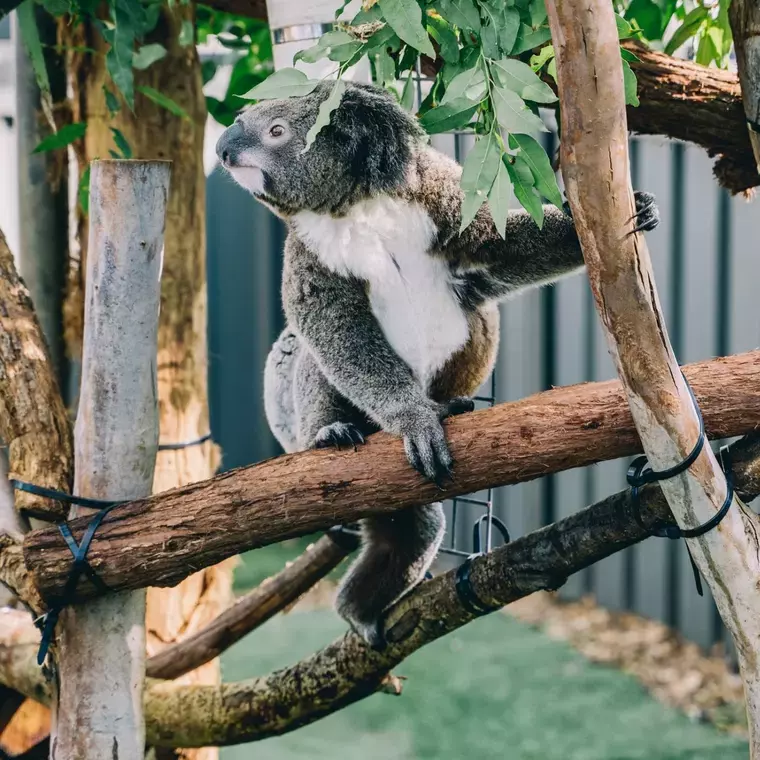
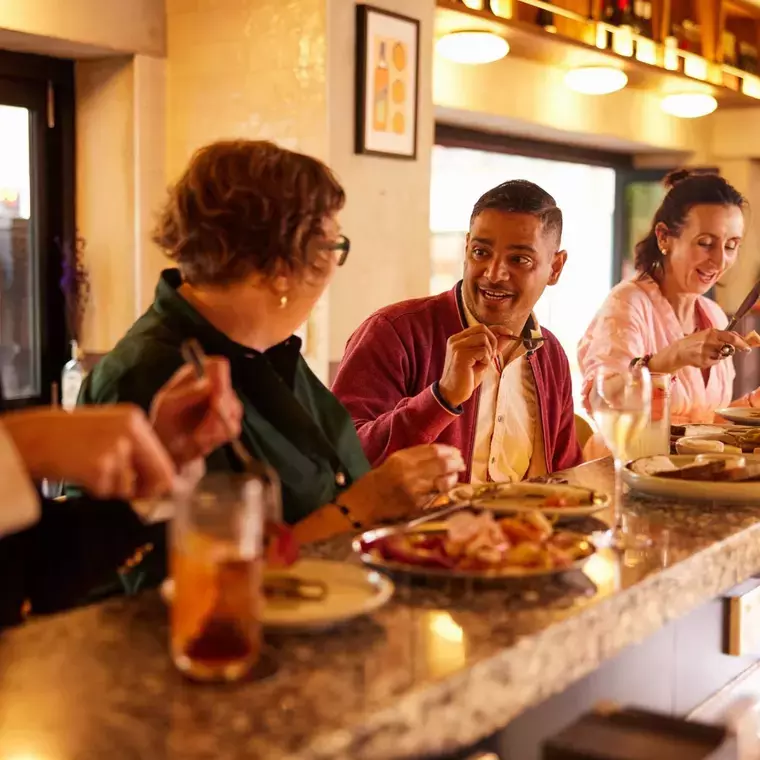
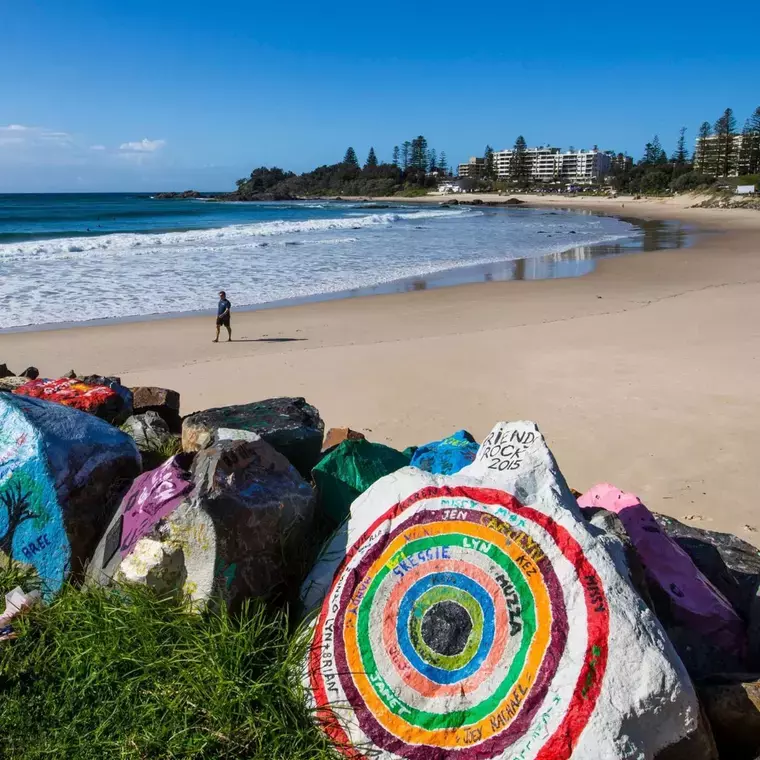


A 14 day small-group boutique tour from Sydney to Cairns, designed to give a leisurely view of one of the world's great coastlines — Sydney's harbour, snorkelling the Great Barrier Reef, Whitehaven Beach and koalas, plus hidden gems only locals know, and good food and wine.
Days
- 14 days, 13 nights
Age
- 12 and over; under 18s with an adult; single room 18 and over
Group size
- Small group, max 16
Start / finish
- Sydney / Cairns
Return
- See itinerary for details
Accommodation
- 13 nights in boutique hotels and resorts
- Private double, twin or single room with ensuite
Transport
- Private small-group vehicle with a driver-guide, a flight from Brisbane to Proserpine, and boat trips
Meals
- 12 breakfasts, 3 lunches and 1 dinner
Route
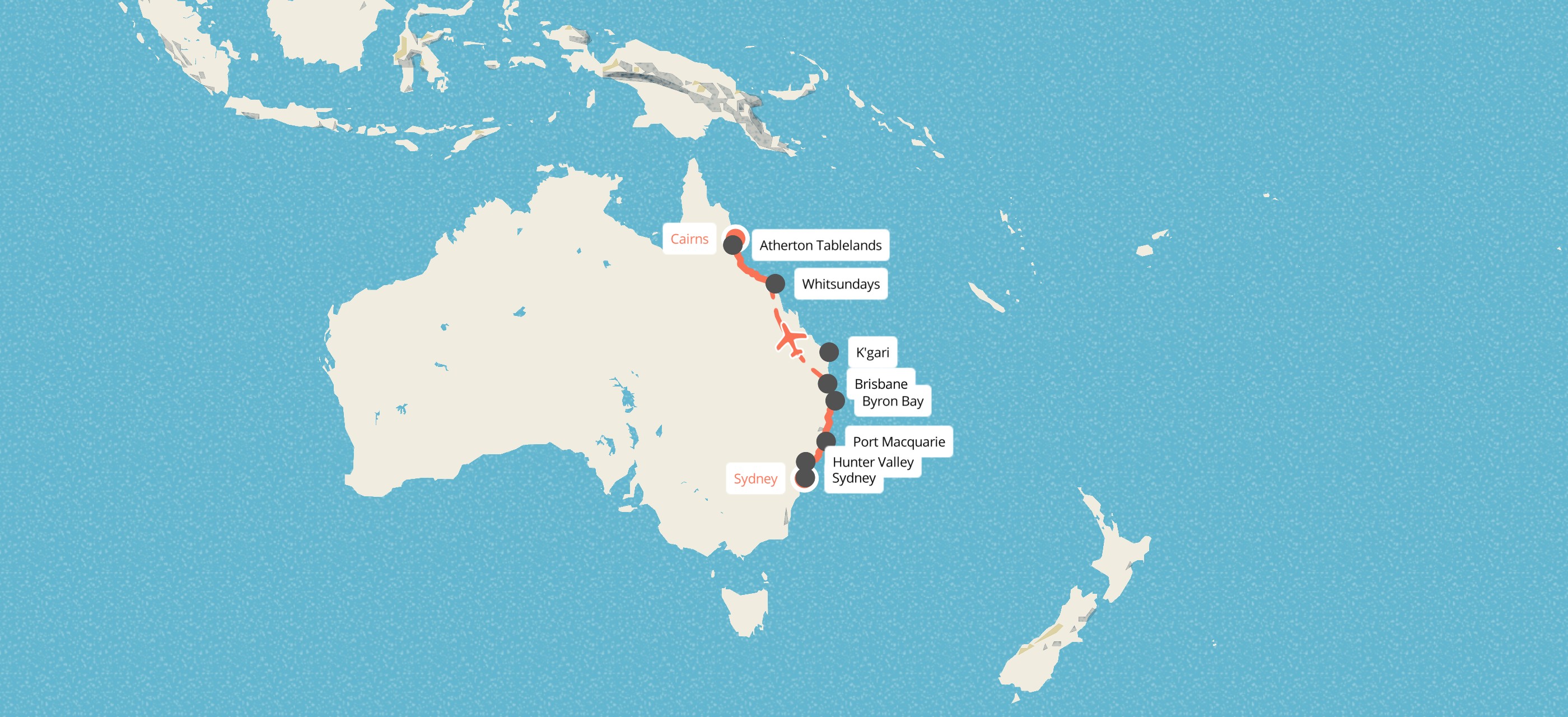
Included experiences
- Hunter Valley — wine, cheese and chocolate tastings
- Port Macquarie — Koala Hospital visit
- Gumbaynggirr First Nations cultural experience
- Byron Bay — Cape Byron Lighthouse
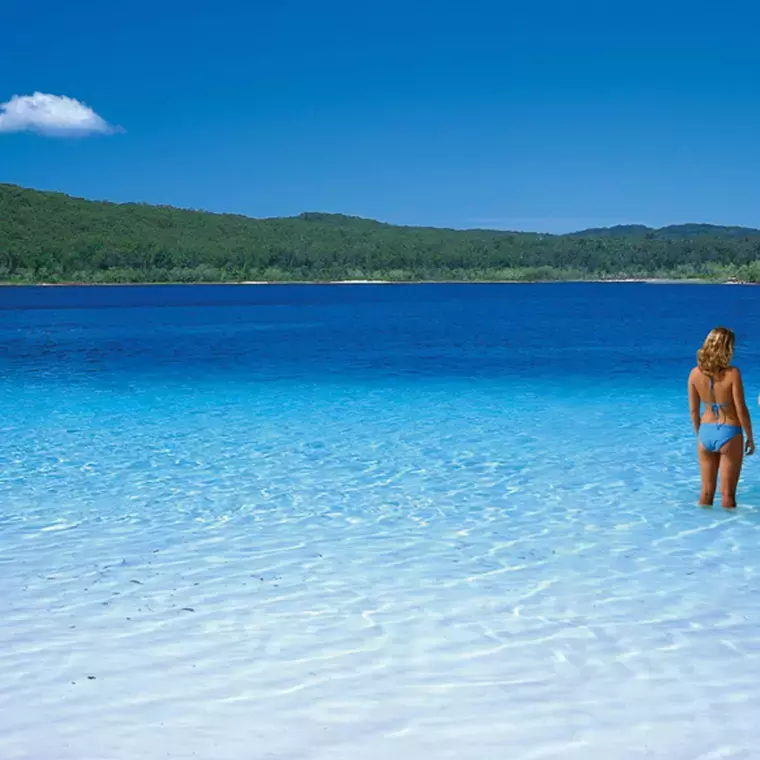
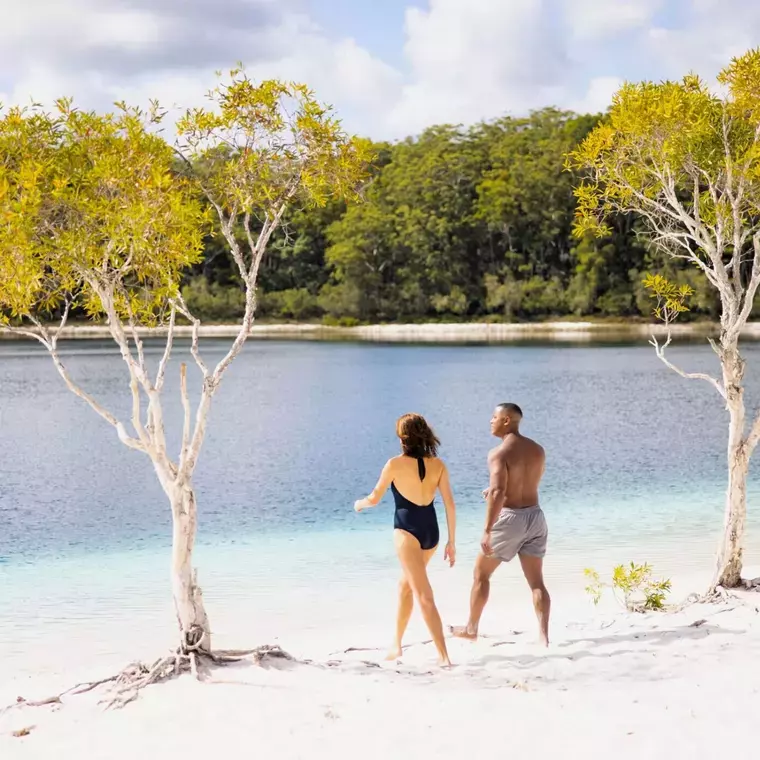
- K'gari — 4WD off-road day
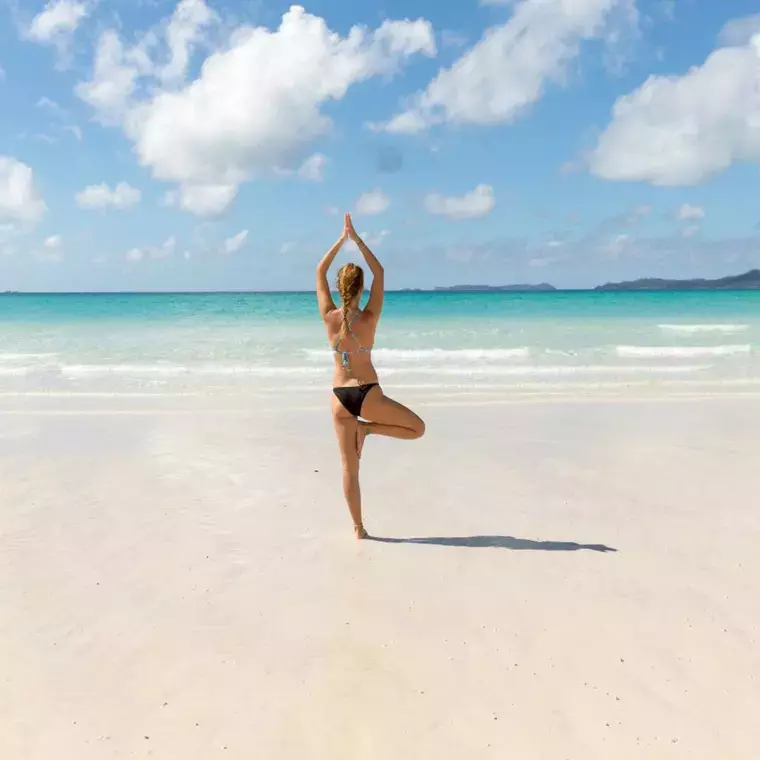
- Whitehaven Beach — catamaran day trip and snorkelling
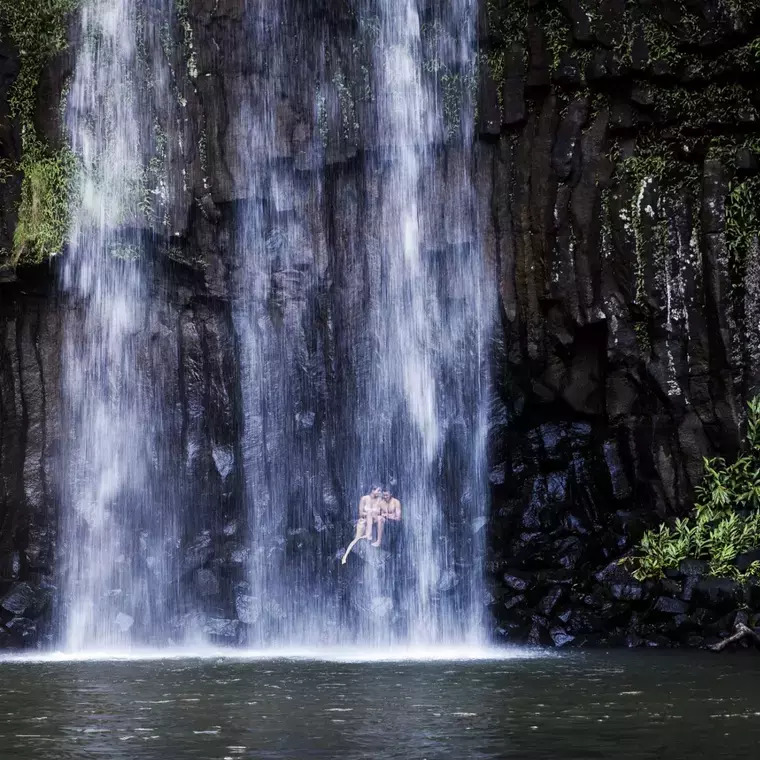
- Atherton Tablelands — crater lake swim and waterfalls
- Great Barrier Reef — drift snorkel and glass-bottom boat
 Pictures / Videos
Reviews
5.0
Based on 41 reviews
Verified from


Real reviews from travellers who've done this tour, gathered from around the web and paraphrased.
AI summary of 41 reviews
Travellers consistently praise the guides for their knowledge of Australian culture, history and Indigenous heritage, as well as their humour, friendliness and ability to make mixed-age groups bond. The itinerary itself stands out most often, with reviewers highlighting the balance between visiting major sights such as Whitehaven Beach, Fraser Island and the Great Barrier Reef whilst also including lesser-known spots, wildlife encounters, and time for personal exploration, all delivered at a relaxed pace without feeling overly regimented. The most common caveat is that the tour involves long driving days, early starts and frequent accommodation changes, which some find tiring, though most consider this worthwhile; a minor criticism concerns breakfast arrangements, with some preferring hotel-provided meals rather than café allowances.
How we collect and publish reviews
Where they come from. Our reviews are gathered from independent review sites and from guests who share feedback with us directly after their trip. They come from people who have actually travelled on the tour. Some longer trips are made up of shorter tours we also sell, run back to back — where a review was written about one of those legs, the review says so.
Why some are edited. Many of our guests travel in their second or third language. Where a review is hard to read, we lightly edit spelling, grammar and punctuation, or paraphrase a sentence for clarity. We never change the rating, the meaning or the sentiment, and we never write a review on a guest's behalf.
Reading the originals. Reviews sourced from public review sites appear there in their original form, and can be read in full at their original source at any time.

Linda was a great guide who showed us an incredible amount, and I liked staying two nights in some hotels rather than moving every day. I was a little disappointed that breakfast was often a set allowance at a nearby café rather than at the hotel, and one morning the only choice was scrambled eggs, which I don't eat.
“Choose Via Tours for an excellent personalized small tour…”
In our 70s we were the oldest in the group but loved the pool parties, snorkelling, surfing, wildlife and group meals with younger travellers. Eoin and Tahnee were terrific, finding us family-run restaurants and lovely hotels. One of the most enjoyable tours we've done.
“Awesome Adventure”
Highlights were swimming with reef sharks on the reef, Whitehaven's water and beaches, exploring Fraser Island and wine tasting in the Hunter Valley. Cara was the star: knowledgeable, funny, cooked us barbecues and drove safely the whole way.
“Above and beyond with Linds!”
Linds was the perfect guide and our group, aged 20 to nearly 80, went from strangers to friends. My only wish was for a bit more walking, though the tour is advertised as low on physical activity.
A thoughtfully put-together tour of the east coast with plenty to see and do. It was my first time travelling in a group, and Jason was adaptable, kind and hilarious, bringing together people of all ages so everyone felt heard and had fun. I've made friends for life.
“If you want a great Australian tour, book with Via Travel!”
Our group of 12 aged early 20s to 76 got on brilliantly. Jason, then Chris for the last days, were superb, and the rainforest, reef, Whitsundays, croc river cruise and gondola were all great. The hotels were nicer than we expected.
