When is the best time to visit Sydney?
September to November, or March to May. Both shoulders give you days in the low twenties without the summer humidity, and Sydney's rain is spread evenly through the year rather than seasonal — September is the driest month at 68mm. Summer is hot, busy and the beaches are the point.
Checked on 6 October 2026.
Sydney doesn't have a dry season. Rain falls all year — between 68mm and 133mm every month — so planning around it is pointless. What changes is the temperature and the crowds, and both say spring or autumn.
Sydney month by month
| Month | Average top | Average overnight | Rain | What it gives you |
|---|---|---|---|---|
| January | 26.0°C | 18.8°C | 101.2 mm | Peak summer — beaches, warm water and long evenings. |
| February | 25.8°C | 18.9°C | 119.3 mm | Warm and humid, with the sea at its warmest. |
| March | 24.8°C | 17.6°C | 131.6 mm | Very good: summer warmth without the crowds. |
| April | 22.5°C | 14.8°C | 126.5 mm | Excellent. Mild, clear and comfortable for walking. |
| May | 19.5°C | 11.6°C | 117.4 mm | Cooling, with crisp bright days between showers. |
| June | 17.0°C | 9.3°C | 133.1 mm | The wettest month, and the start of whale season. |
| July | 16.4°C | 8.1°C | 96.3 mm | Coolest month. Clear winter days and humpbacks offshore. |
| August | 17.9°C | 9.0°C | 80.2 mm | Drying out and warming, with whales still passing. |
| September | 20.1°C | 11.1°C | 68.1 mm | The driest month of the year and the start of the best stretch. |
| October | 22.2°C | 13.6°C | 76.7 mm | The pick: warm, dry, and the jacarandas out. |
| November | 23.7°C | 15.7°C | 83.8 mm | Excellent: summer warmth ahead of the summer crowds. |
| December | 25.3°C | 17.6°C | 77.1 mm | Warm and bright, with the city filling up. |
Bureau of Meteorology averages for Sydney (Observatory Hill), over 162 years.
What each season is for
- Spring, September to Novemberdriest stretch of the year, warm days, jacarandas in October, and the beaches not yet packed.
- Autumn, March to Maythe other good window. Warm water lingers into April and the walking weather is ideal.
- Winter, June to Augustcool and clear, with whale watching from the headlands as humpbacks migrate past. The Blue Mountains can get frost and the occasional snow.
- Summer, December to Februaryhot, humid and busy, and the only time the water is properly warm. Book earlier.
The Blue Mountains
- Cooler than the city by several degreesat any time of year — it sits around a thousand metres up.
- Autumn and spring are best for walkingwith clear air and comfortable temperatures.
- Winter brings mist and the occasional snowwhich is atmospheric but can hide the view entirely.
- Summer can be smokyin a bad bushfire season, and that is worth checking before you go.
The trips
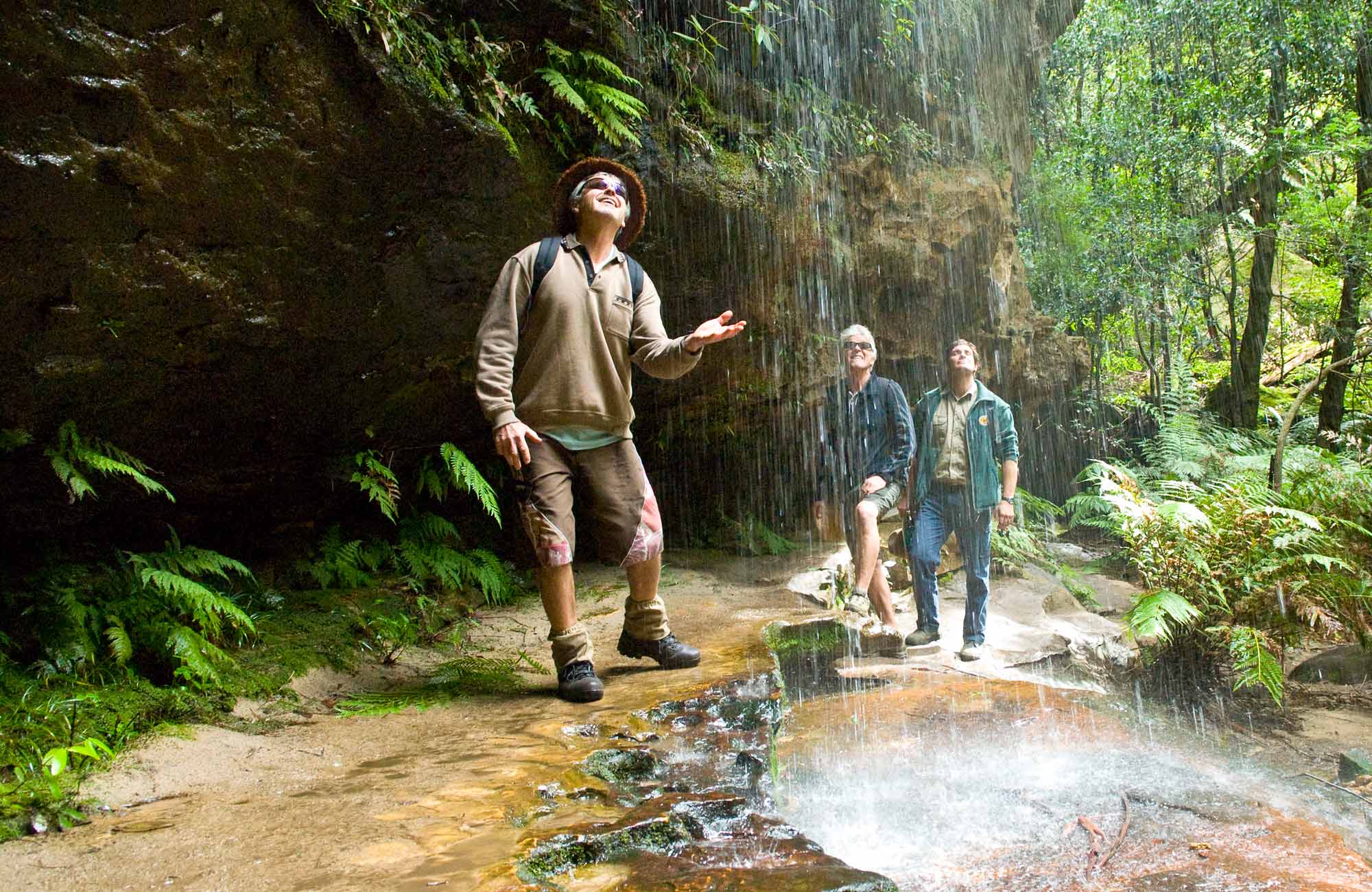 1 Day Blue Mountains Tourfrom $1391 day, around 10 and a half hoursView trip
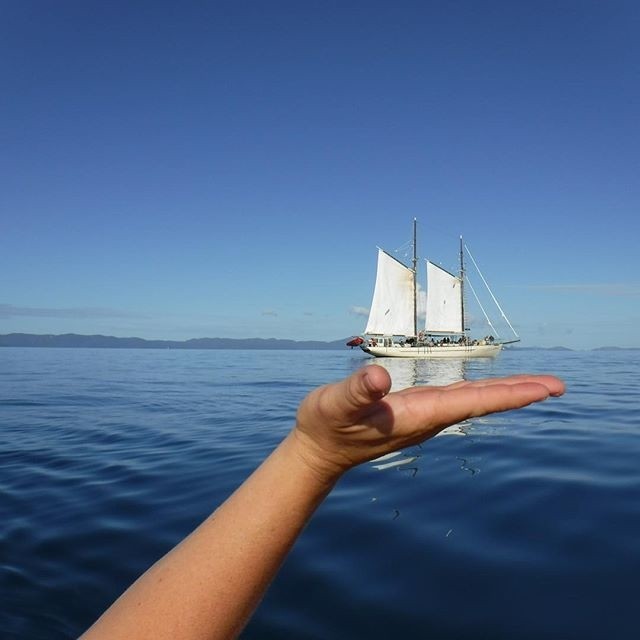 14 Days Sydney to Cairns Budgetfrom $199914 days, 13 nightsHostel, Boat, CampingView trip
 17 Days Sydney to Cairns Adventurefrom $279917 days, 17 nightsHostel, Boat, CampingView trip
 21 Days Sydney to Cairns Adventurefrom $324921 days, 20 nightsHostel, Boat, CampingView trip
People also ask
- What day trips can you do from Sydney?
- What is the best way to travel the east coast of Australia?
- East coast Australia itinerary — 7, 10, 14 and 21 days
- Where should I go in Australia?
Where this comes from. Temperature and rainfall are Bureau of Meteorology averages for Sydney (Observatory Hill), station 066062, over 162 years. The trips and prices are as held on each trip's page here.