Will El Niño affect a trip to Western Australia?
In your favourOut west the forecast is wetter, and in a dry state that's a gift.
Yes, and in your favour. Western Australia is the corner of the country the Bureau has forecast wetter than usual: above average rainfall for October to December, with a 50 to 80% chance of unusually high falls across southern and central Western Australia. In a state this dry, rain means water in the gorges, green country and a better bloom. The seas off the west and south are running up to 3 °C above average, so swimming at Ningaloo and Monkey Mia is warmer than normal, and the warm nights make the swag nights easy.
Checked on 6 October 2026.
Most El Niño coverage is about where the rain stops. Western Australia is where it doesn't, and that makes the west the best bet in the country this season if your dates are flexible.
What the forecast says
- Above average rainfallfor October to December, with a 50 to 80% chance of unusually high falls across southern and central WA. No other part of the country has a wet signal this strong right now.
- Daytime temperatures above averageincluding an over-80% chance of unusually warm maximums in the south-west.
- Nights very likely warmer than averageover an 80% chance of unusually warm minimums.
- Seas off the west and south up to 3 °C above average.Warmer water for swimming and snorkelling.
- The Bureau's own caveat:a strong El Niño in the Pacific doesn't guarantee strong effects on Australian rainfall. This forecast illustrates that neatly.
What rain buys you out here
| Where | What the rain does | The thing to know |
|---|---|---|
| Karijini | The biggest gain. Gorge pools fill and the waterfalls run | A hot place in summer. The trips swim the gorges early and move in the afternoon |
| Ningaloo and Exmouth | Warmer water than normal on a reef you swim straight off the beach | Whale sharks are roughly March to July. Turtles nest November to March |
| Monkey Mia and Shark Bay | Green country on the drive up, warmer water at Shell Beach | The dolphins come in most mornings year round |
| The wildflower belt | Spring rain feeds the late southern bloom and sets up next year's | Peak is further north around August, the south-west is September and October |
| Margaret River and the south-west | Warm, with the odd wet day. The cellar doors are indoors | Best wine-country weather of the year |
| Broome and the Kimberley | The build-up, warm and humid | Dry season is May to October. The gorges run hard after the wet |
After a big fall
Rain in a dry landscape makes the best version of it: full waterholes, waterfalls that normally aren't there, and country that greens up in days. Unsealed roads and gorge tracks can close for a day or two while the water runs through, so the itineraries carry flex and the guides read the morning's conditions. You lose an hour here and there, and you see a version of the Pilbara most visitors never do.
What the heat changes
- The Pilbara and the north get hot from November.Karijini and Exmouth sit above 35 °C most summer days.
- So the day starts early and finishes latewith the middle spent in the water or in the bus. Every northbound trip is already built that way.
- Carry more water than you thinkthree litres a person on a hot walking day.
- Perth and the south-west stay comfortablehigh twenties to mid thirties, with the sea breeze in the afternoon.
So when should you go
April to October is the classic window for the whole west coast: mild in the Pilbara, whale sharks at Ningaloo from March, wildflowers from August. November to March is hotter up north but warmer in the water, quieter on the road, and this year wetter in a way that suits the gorges. For the south-west on its own, summer is as good as it gets. There's a month-by-month read on our best time to visit Monkey Mia and Shark Bay page, and how long you need in Western Australia if you're still shaping the trip.
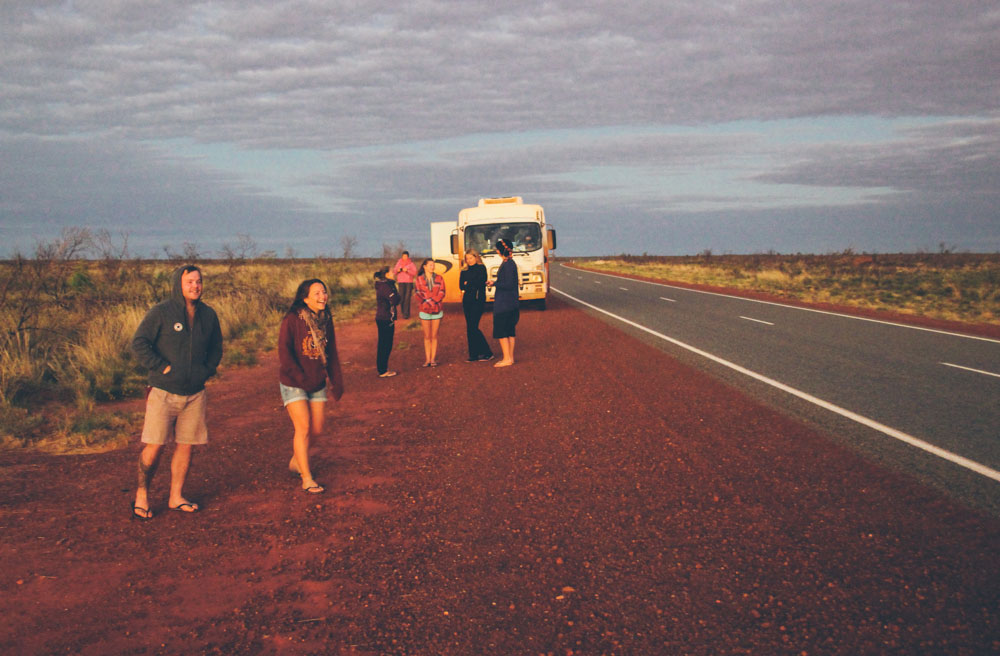
 7 Day Perth to Exmouth & Returnfrom $16997 days, 6 nightsHostel / Dorm Share7 days, Perth to Exmouth and backView trip
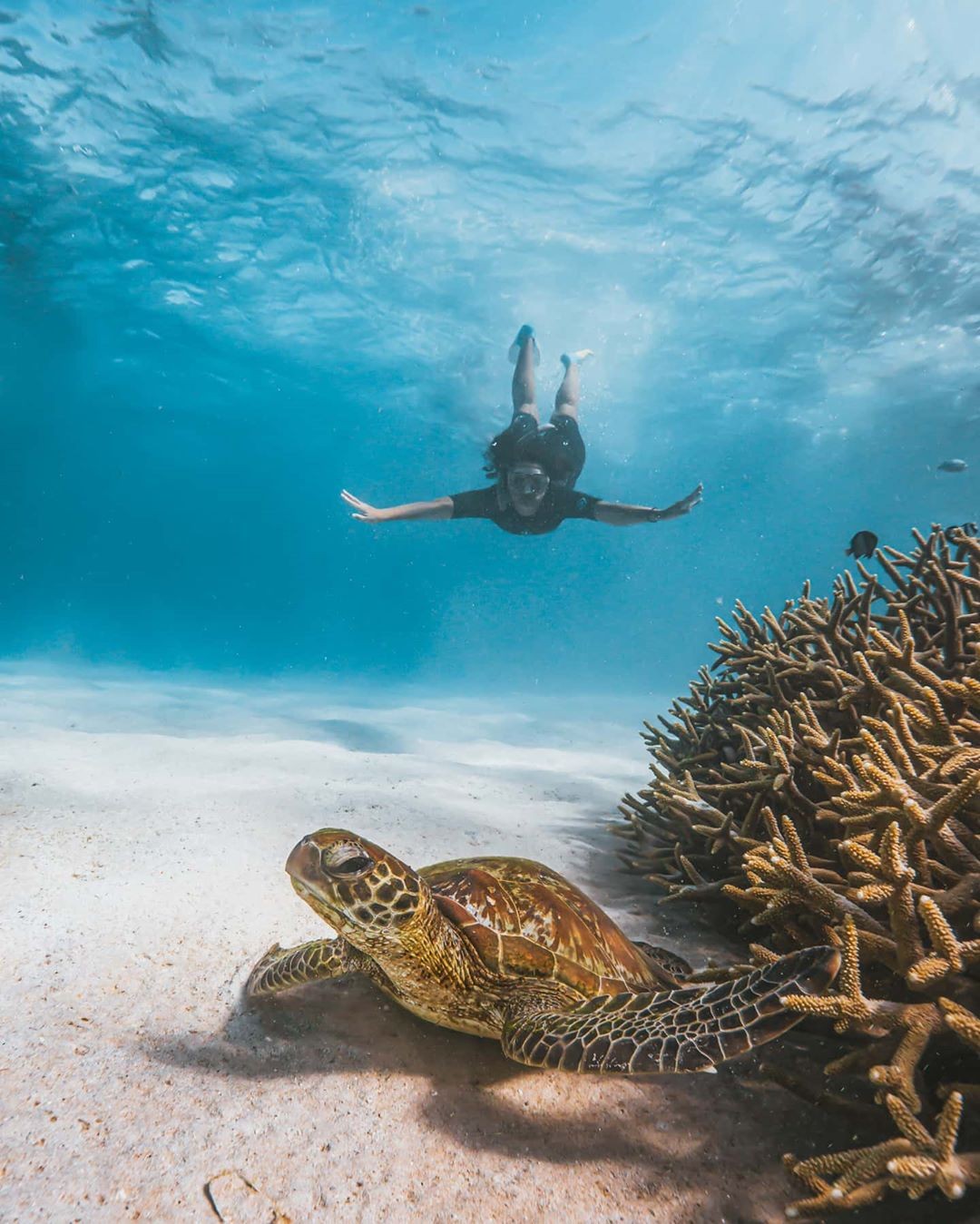 4 Day Perth to Monkey Miafrom $12994 days, 3 nightsResort/Motel4 days, Perth up to Monkey MiaView trip
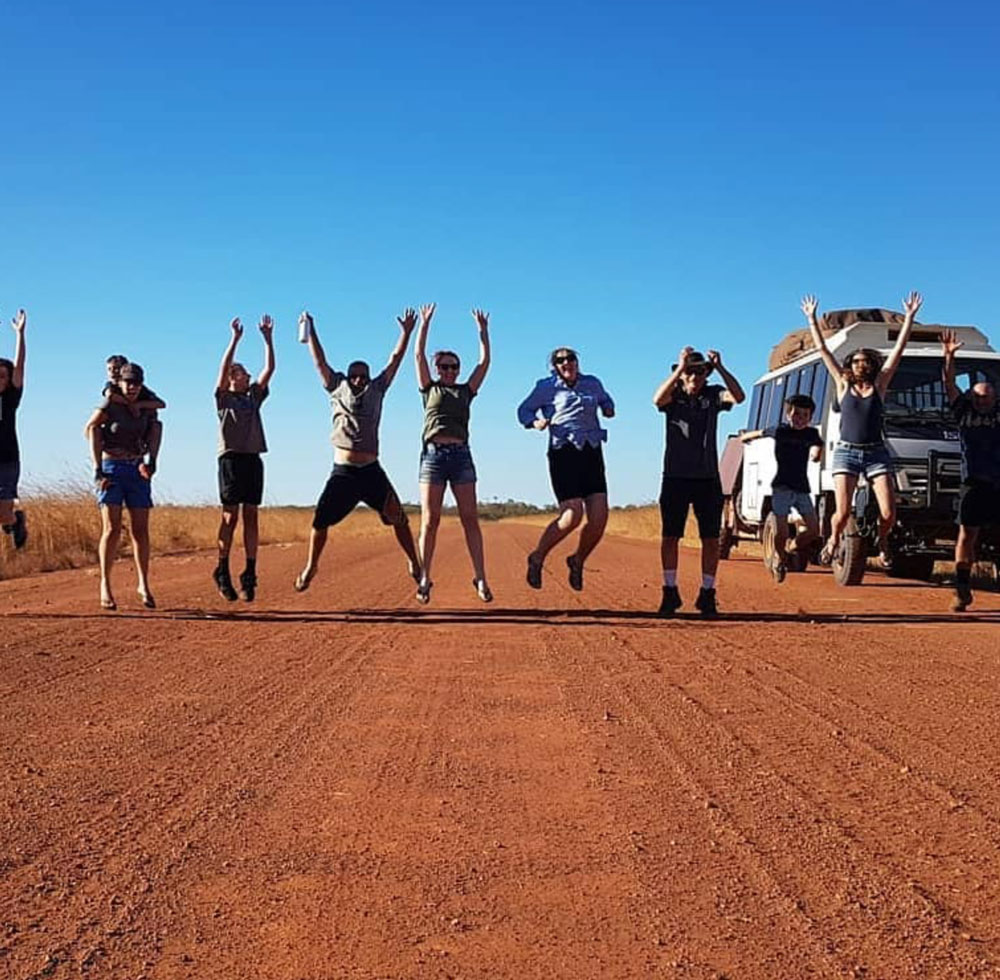
 10 Day West Coast and Karijinifrom $279910 days, 9 nightsCamping and Hostels10 days, the west coast and KarijiniView trip
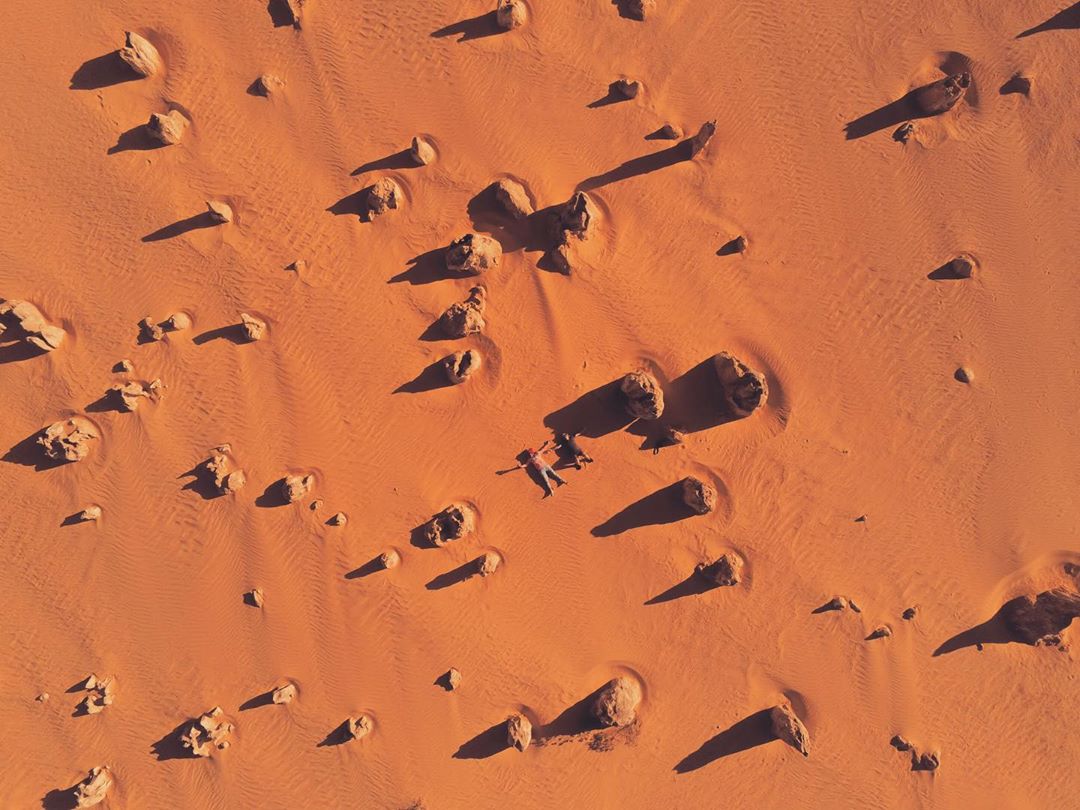 1 Day Pinnacles & Star Gazing Tourfrom $1691 dayA day, the Pinnacles and stargazingView trip
Where this comes from. The rainfall and temperature outlook is the Bureau of Meteorology's long-range forecast issued 1 October 2026, and the sea surface temperature figures are from their Southern Hemisphere Monitoring update of 29 September 2026. Wildflower, whale shark and turtle nesting seasons are the published seasons for Western Australia's parks and Ningaloo Marine Park. Trip details and prices are each trip's own.