Will El Niño affect a trip to Tasmania?
In your favourDrier and warmer than usual, so more days on the tops.
It helps. The Bureau's October-to-December outlook has below average rainfall for Tasmania and above average temperatures, with an over-80% chance of unusually warm maximums across most of the state. In walking country that's the forecast you want. What spoils a Tasmanian trip is cloud sitting on Cradle Mountain and rain on the Wineglass Bay track, and a drier, warmer spring means more days you can see from the tops. The west coast is the wettest part of the island and stays that way.
Checked on 6 October 2026.
Tasmania is the state where an El Niño forecast reads best for a visitor. The island's problem has never been heat. It's cloud, and this outlook has less of it.
What the forecast says
- Below average rainfall is likelyfor Tasmania over October to December, a 60 to 80% chance.
- Above average maximum temperatureswith an over 80% chance of unusually high maximums across most of the state.
- Warmer nights toowhich matters more than it sounds at Cradle Mountain: the highlands average a minimum below freezing from May to September.
- The seas around Tasmania are running up to 3 °C above averagepart of why the air is warmer.
What that buys you, walk by walk
| Where | Normally | What a drier, warmer spring does |
|---|---|---|
| Cradle Mountain | Cloud sits on the mountain often. August averages 122mm in the highlands | The biggest single gain. More mornings where you can see the mountain from Dove Lake |
| Wineglass Bay | The lookout is a 45 minute climb on a stepped track | Dry underfoot and warmer. The climb is far pleasanter without rain |
| Bruny Island | Works year round, because the food is indoors | Little change. Already the weather-proof day out |
| Port Arthur | A large outdoor site | Better. It's a lot of walking in the open |
| Strahan and the west | The wettest part of Tasmania | Still wet. That rainforest is what the rain makes |
The number that surprises people
Hobart's wettest month in a normal year is October, at 62mm, wetter than any winter month. Tasmanian rain is spread through the year instead of dumped in winter, so a drier-than-average spring is a bigger gain here than the same forecast would be elsewhere. There's a three-station breakdown on our Tasmania weather month by month page.
The one thing to keep an eye on
A dry, warm summer raises fire risk in the Tasmanian bush, as it does anywhere. In practice that means the odd track or park closure on extreme days, and the trips reroute when it happens. Check the day's conditions, not the season's. That's what the guides do.
So when should you go
December to March is still the pick, and this year's outlook strengthens that case. March and November are nearly as good and far quieter. If Cradle Mountain is the reason you're going, give it two days: cloud is the one risk a forecast can't remove, and a second morning is your second chance. More on that on our best time to visit Cradle Mountain page.
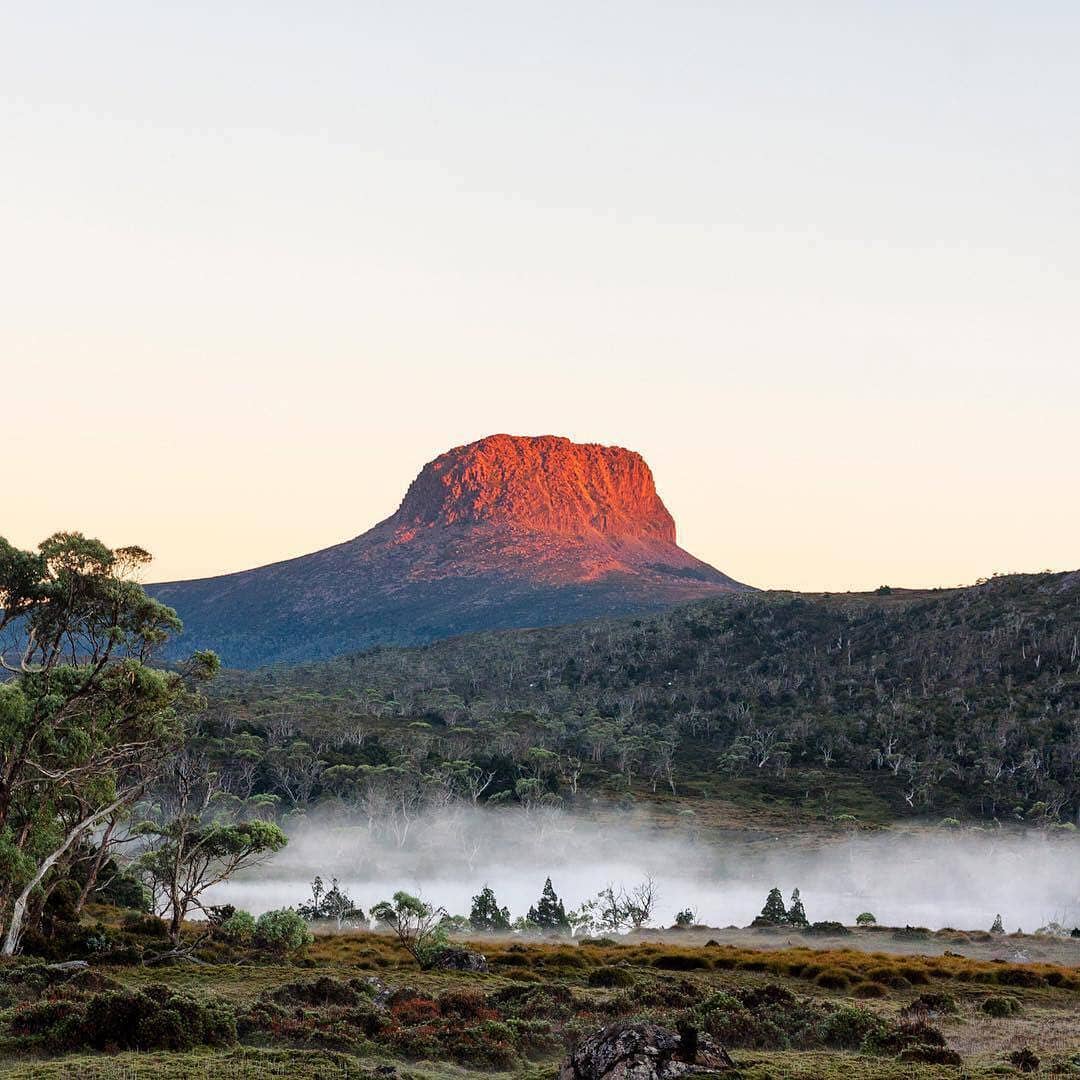 5 Day Tasmania Tourfrom $9395 days, 4 nightsMotel / Cabin5 days, the full Tasmania loopView trip
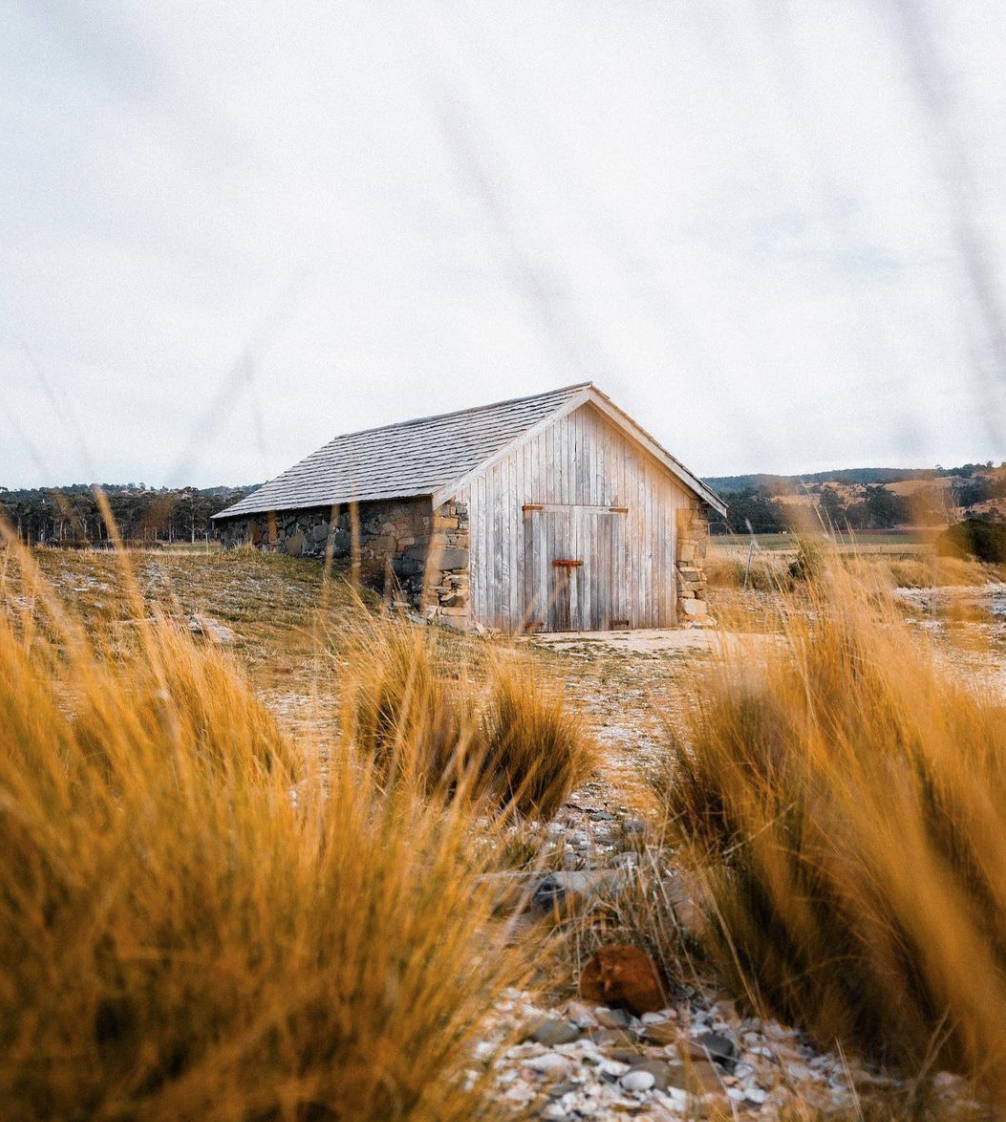 2 Day Cradle Mountain & Wineglass Bay Tourfrom $3992 days, 1 nightMotel / Hostel2 days, Cradle Mountain and Wineglass BayView trip
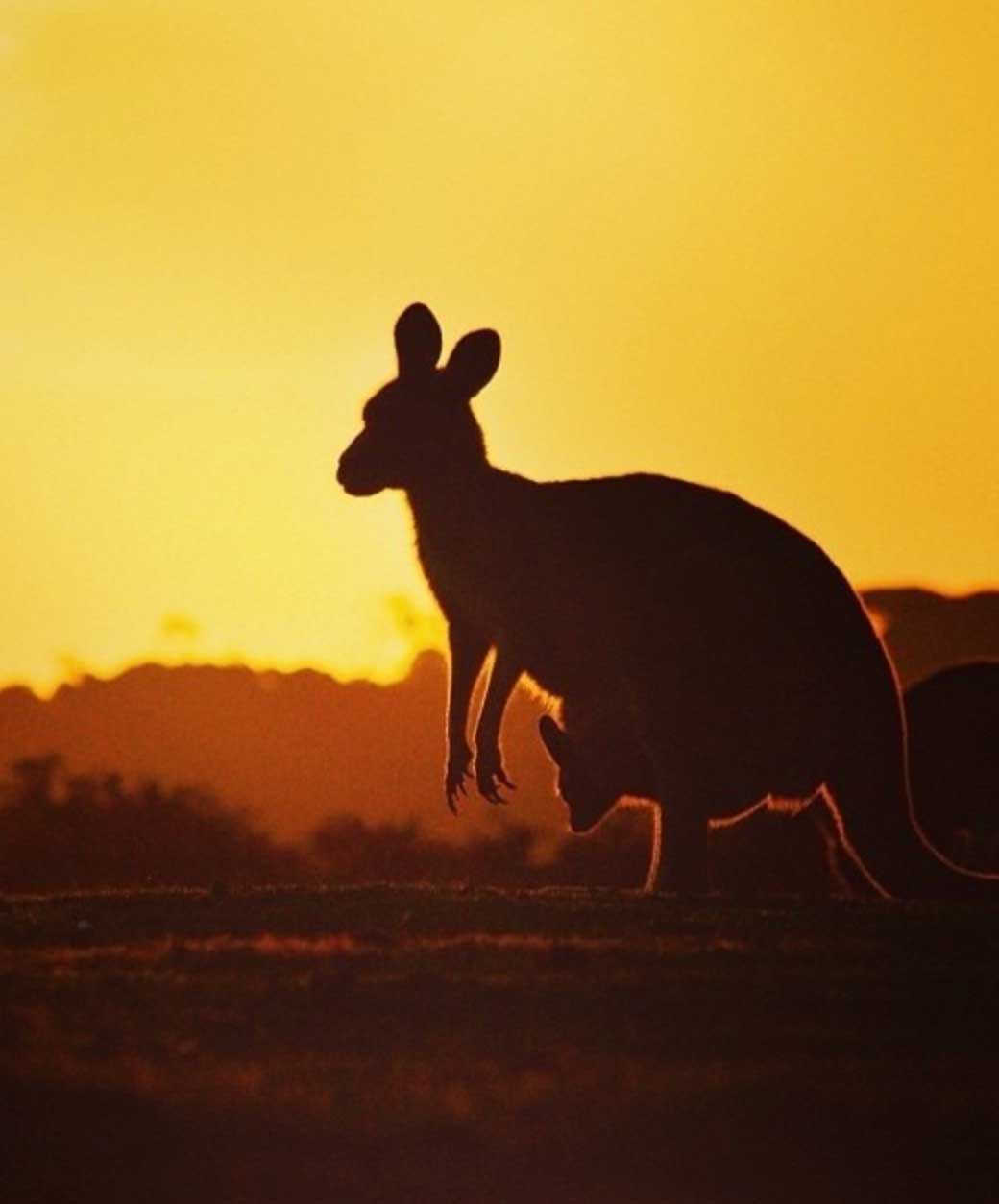 10 Day Ultimate Tasmania Tourfrom $321010 days, 9 nightsMotel Accommodation10 days, Tasmania properlyView trip
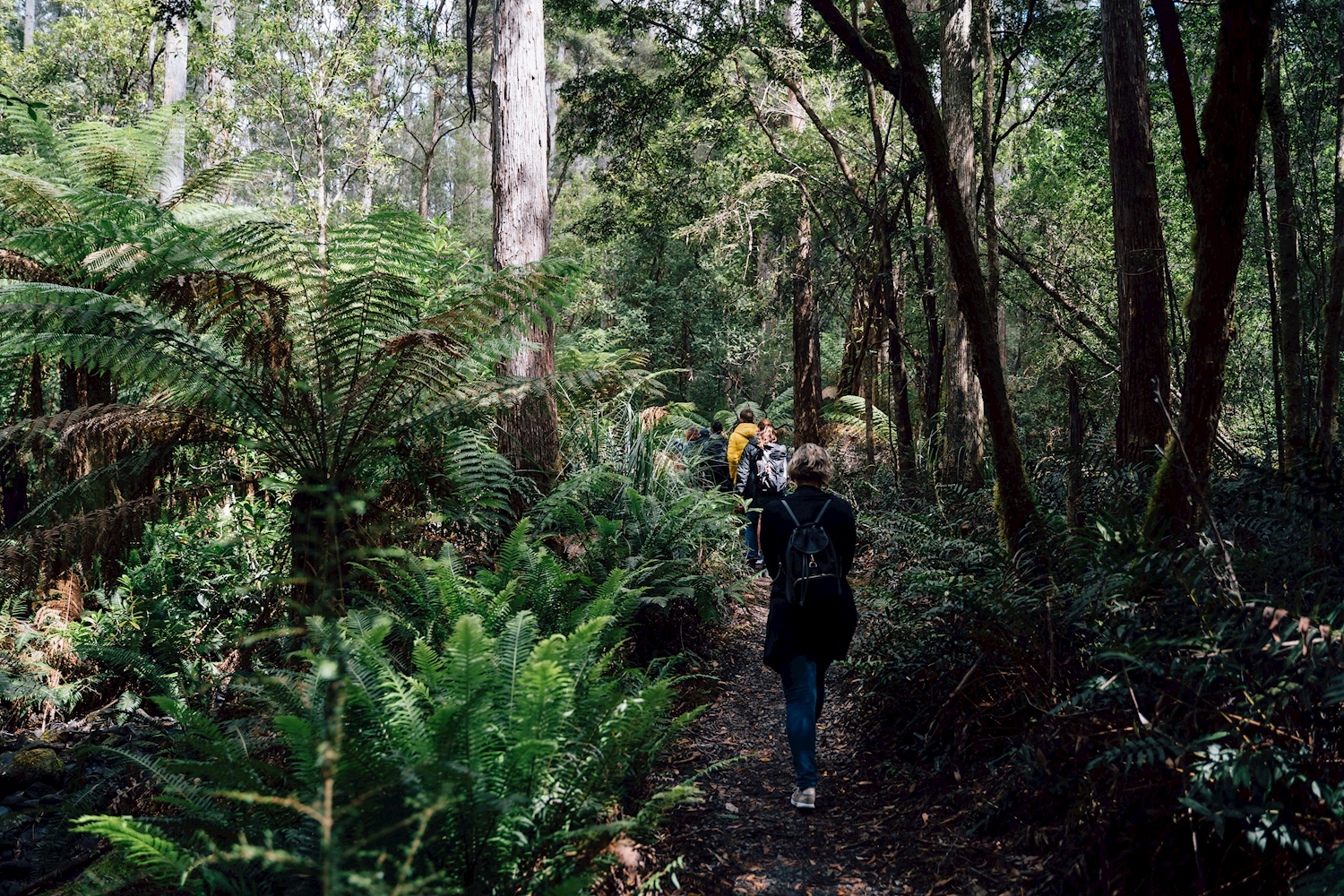 2 Day Best of Tasmania Tourfrom $2992 days, 1 night2 days in the south, including Bruny IslandView trip
Where this comes from. The rainfall and temperature outlook is the Bureau of Meteorology's long-range forecast issued 1 October 2026, and the sea surface temperature figures are from their Southern Hemisphere Monitoring update of 29 September 2026. Long-term monthly averages are Bureau figures for Hobart and Liawenee. Trip details and prices are each trip's own.